
5 Things to Consider When Buying a Sofa
A sofa is one of the few pieces in your home that is used every single day. It supports how you relax, entertain, and spend time with the people around you. Because it plays such a central role, choosing the right one requires more than a quick decision.
If you are exploring sofas in Toronto, the goal is not simply to find something that looks good in a showroom. It is about selecting a piece that fits your space, reflects your lifestyle, and continues to feel right over time.
Here are five key considerations that will help you make a confident, long-term choice.
Start With Your Space and Layout
Before focusing on colour or style, take a step back and look at your room as a whole. Assessing layout means understanding how your sofa will interact with everything around it. Walkways, natural light, and focal points such as fireplaces or televisions all influence where and how your sofa should sit. A well-placed piece feels intentional, not forced.
Room type also matters more than many people expect. A formal living room often benefits from a more structured, symmetrical arrangement, sometimes paired with accent chairs or a loveseat. A family room calls for deeper cushions and a more relaxed layout that supports daily use. In a basement recreation room or sunroom, durability and flexibility become even more important, especially in spaces that serve multiple purposes.
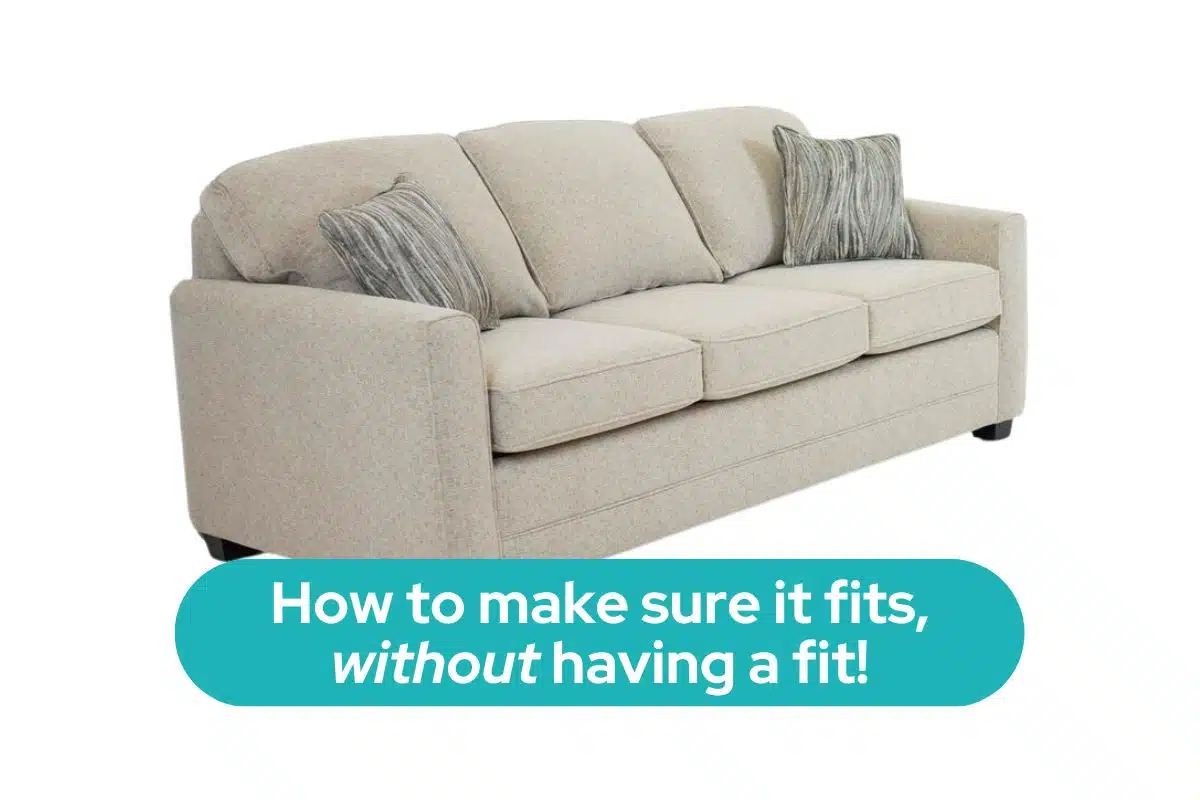
Size plays a defining role here. Consider sofa width, depth, and height carefully. A two-seater may suit a compact condo, while a larger sectional sofa can anchor an open-concept space. Modular arrangements allow you to adapt seating over time, which is especially useful if your needs change.
If you are comparing options like sectional sofas for sale, think about how the shape will guide movement in the room rather than simply filling space.
Choose Based on How You Actually Live
A sofa should reflect real life, not just an ideal version of it. Start by thinking about how often the sofa will be used and by whom. A busy household with children or pets will require different materials and construction compared to a quieter space used primarily for entertaining.
Multi-functional furniture is often worth considering. For example, high-quality sofa beds can offer everyday comfort while providing a practical solution for overnight guests. In smaller homes, this kind of flexibility makes a noticeable difference.
Certain features can also support your routine more effectively. A sofa with built-in storage can help reduce clutter in tighter spaces. Performance fabric can offer added durability where spills and wear are more likely.
Material choice also influences the overall environment of your home. According to the United States Environmental Protection Agency, indoor furnishings can play a role in air quality, particularly in enclosed spaces. Choosing well-made materials and finishes can contribute to a more comfortable and balanced living environment over time. The key is to choose a piece that aligns with your habits rather than working against them.

Understand Construction Before You Commit
Comfort is not just about how a sofa feels in the moment. It is about how well it holds that comfort over time.
Construction starts with the frame. A solid hardwood frame provides strength and stability, helping the sofa maintain its shape through years of use. Cushion design is equally important. Some people prefer structured seating with a firmer feel, while others lean toward deeper, softer cushions that allow for a more relaxed posture.
Dimensions play a role here as well. Sofa depth influences how you sit, whether upright or reclined. Seat height affects how easily you get in and out of the sofa. These details are subtle, but they shape the overall experience in a meaningful way.
Comfort is also closely tied to ergonomics. Guidance from the Canadian Centre for Occupational Health and Safety highlights the importance of proper seat depth and height to support posture and reduce strain. While sofas are designed for relaxation rather than office use, these same principles help explain why certain designs feel better over extended periods.
The best way to evaluate all of this is in person. Sitting on different styles, testing seat depth, and comparing support levels helps you understand what truly feels right.
At The Chesterfield Shop, our design consultants guide you through these details so you can make a decision based on comfort and construction, not guesswork.
Select Materials and Colours With Intention
Material and colour choices define both the look and the longevity of your sofa. Fabric sofas offer versatility, with a wide range of textures and tones that can adapt to different interiors. Leather sofas bring a distinct character and are often chosen for their durability and ease of maintenance.
When deciding between leather sofas and fabric sofas, consider how the material will perform in your space. High-traffic areas may benefit from more resilient finishes, while quieter rooms allow for softer, more delicate textures.
There is also a safety and durability component to keep in mind. Health Canada outlines flammability requirements for textiles used in consumer products, reinforcing the importance of choosing materials that meet established safety standards. You can explore this further through the Industry Guide to Flammability of Textile Products in Canada, which explains how regulated materials contribute to safer home environments.
Colour selection should feel intentional rather than safe by default. Neutral tones such as beige, grey, or navy provide flexibility and longevity. At the same time, a bold colour can introduce personality and become a defining feature in the room.
If you are browsing during seasonal sofa deals and specials, it can be helpful to stay grounded in choices that will continue to work as your space evolves.
Customization also plays a role here. With domestic manufacturing, many options can be tailored to your preferences, allowing you to select materials, finishes, and details that suit your home precisely.

Balance Budget With Long-Term Value
Budget is always part of the decision, but it should be approached with a long-term perspective. A sofa is an investment in everyday living. Differences in cost often reflect variations in materials, construction, and overall durability. Choosing a well-made piece upfront can reduce the need for replacement and provide better value over time.
Setting a budget helps guide your options, but it should also leave room to prioritize what matters most. That may be comfort, size, or material, depending on your needs.
The Chesterfield Shop focuses on furniture designed for real life. With a wide selection of styles, from compact two-seaters to expansive sectional sofas, along with customization options, the goal is to help you find a piece that feels aligned with both your space and your expectations.
If you need guidance narrowing down your options, you can always contact our furniture experts. Our sales professionals are there to simplify the process and help you make a decision with clarity.

A Sofa That Fits Your Life, Not Just Your Room
The right sofa supports how you live in that space every day! When you take the time to consider layout, lifestyle, construction, materials, and budget together, the process becomes more focused and far less overwhelming. Each decision builds toward a result that feels considered rather than rushed.
At The Chesterfield Shop, our emphasis is on comfort, craftsmanship, and long-lasting quality. With a wide range of options and personalized guidance, finding the right sofa becomes a process that feels straightforward from start to finish.